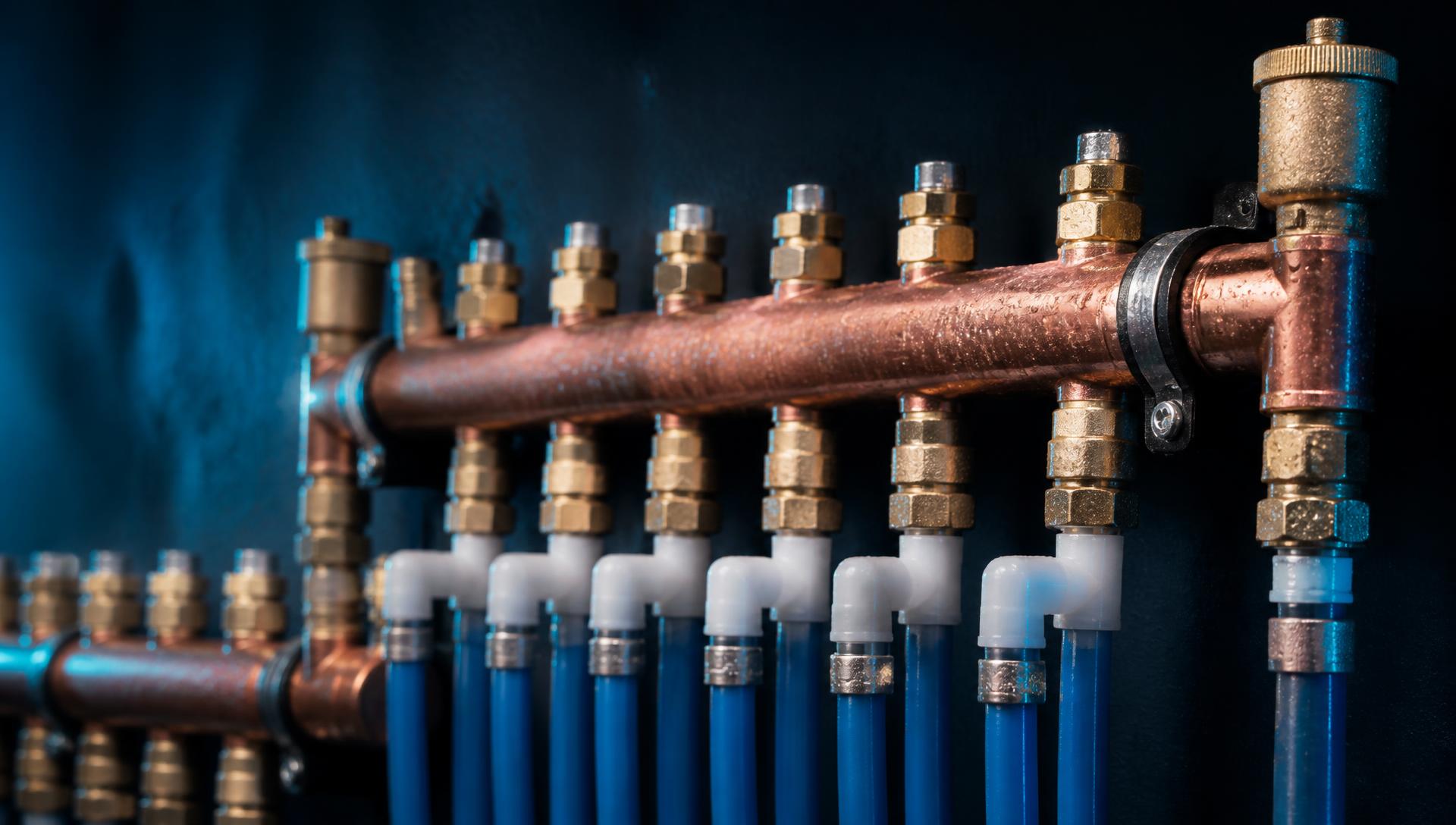
Miami-Dade · Plumbing
Understand the plumbing problem before anyone opens a wall
Water gives you clues long before it gives you damage. This site explains what those clues mean — where leaks hide, why fixtures fail, what a slow drain is really telling you, and which water heater symptoms deserve attention today.
Design conceptStart here
Seven places plumbing usually goes wrong
Each page below covers one area in depth: what the symptom looks like, what commonly causes it, what you can check yourself, and where the line is.
Concept visualPlumbing servicesAn overview of the residential work this site covers and how each type of problem is approached.Read more → Concept visualLeak detectionTracing water back to its source — meter checks, zone isolation, and reading the evidence correctly.Read more →
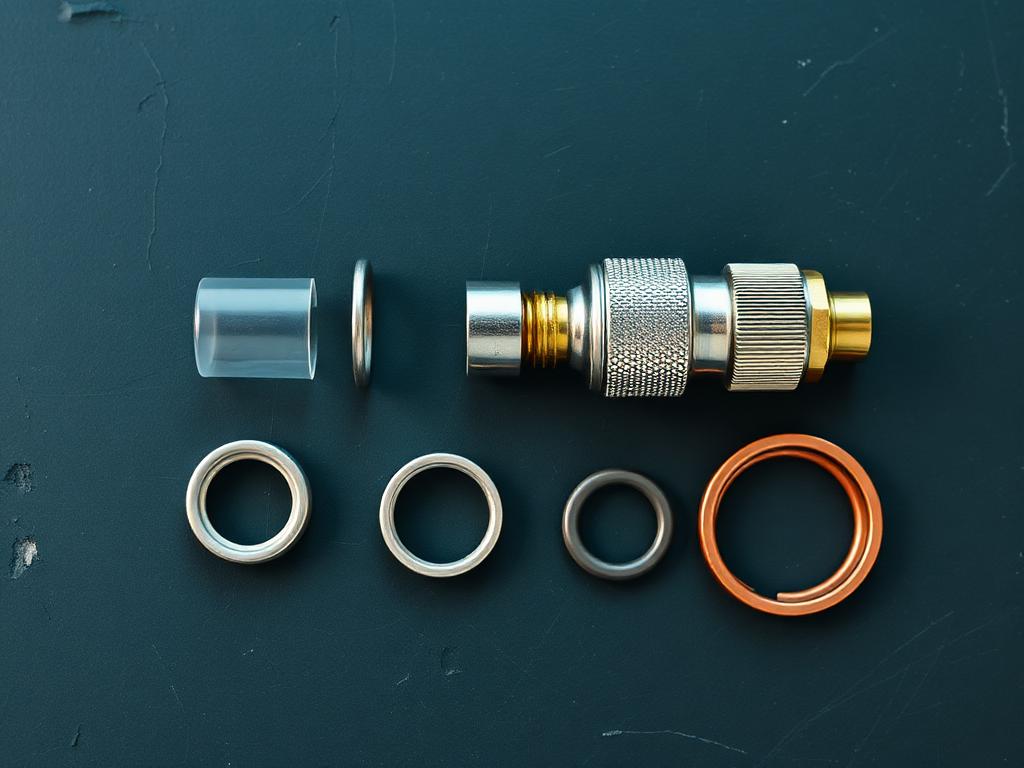 Concept visualFaucet & fixture repairDrips, stiff handles, weak flow, and base leaks — which are part swaps and which are replacements.Read more →
 Concept visualToilet repairRunning tanks, weak flushes, rocking bowls, and water at the base explained by what causes them.Read more →
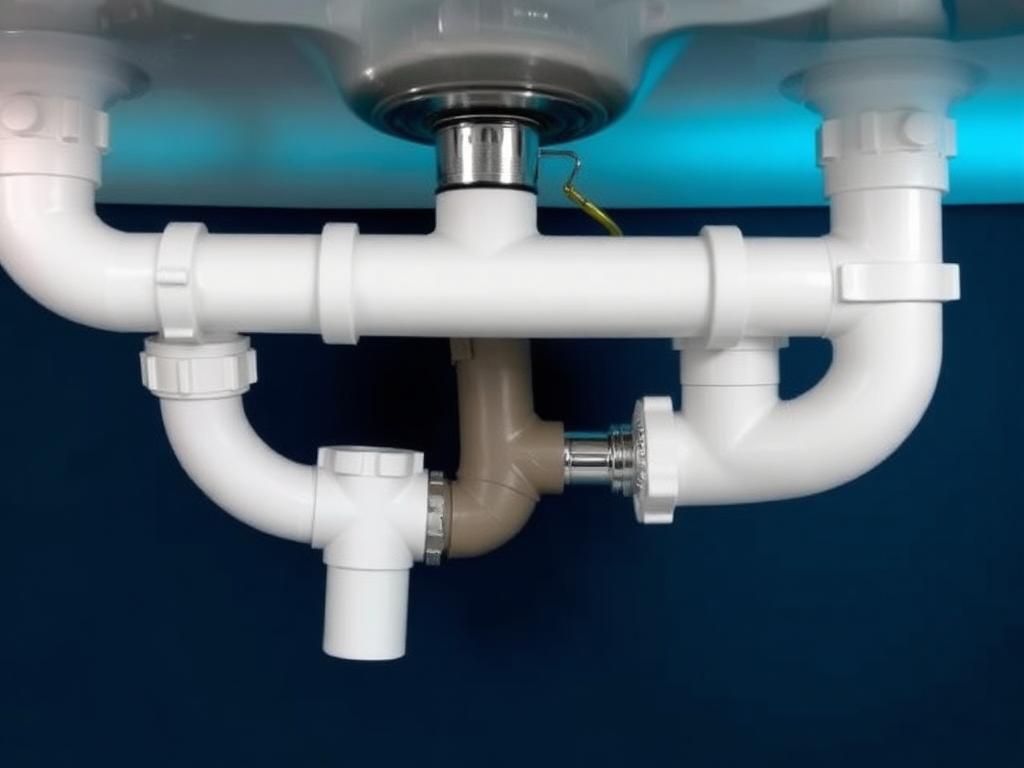 Concept visualDrain issuesLocal clogs versus main-line and venting problems, and how to tell which one you have.Read more →
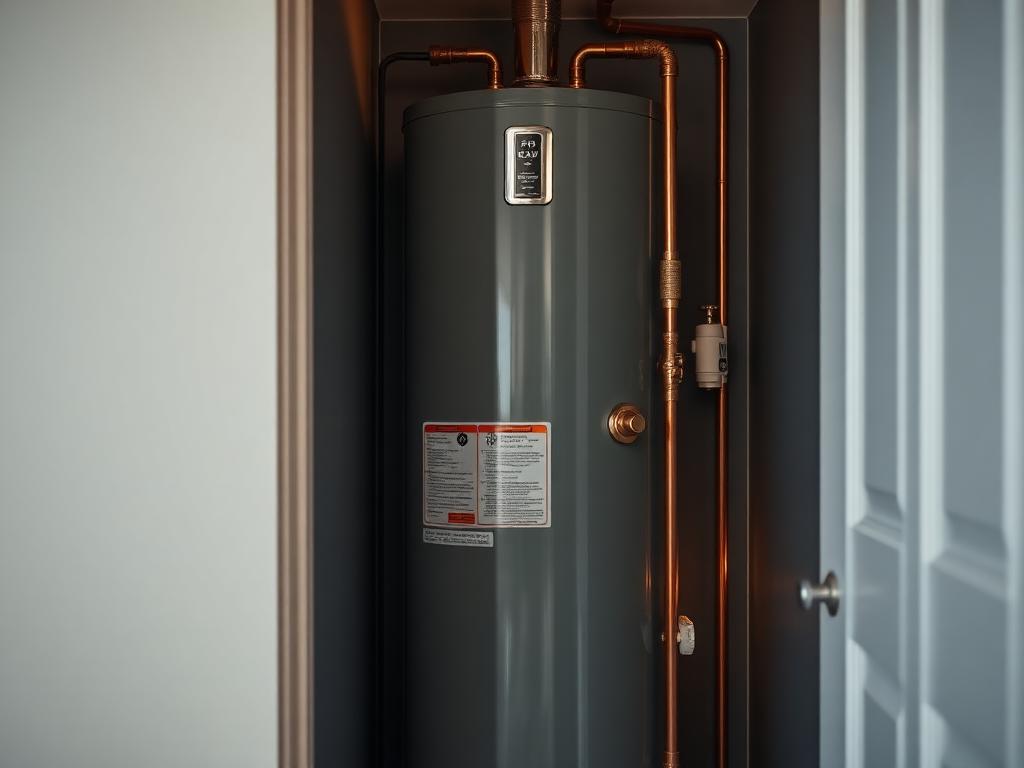 Concept visualWater heaterNo hot water, hot water that runs out, rumbling, rust, and the signs worth acting on quickly.Read more →
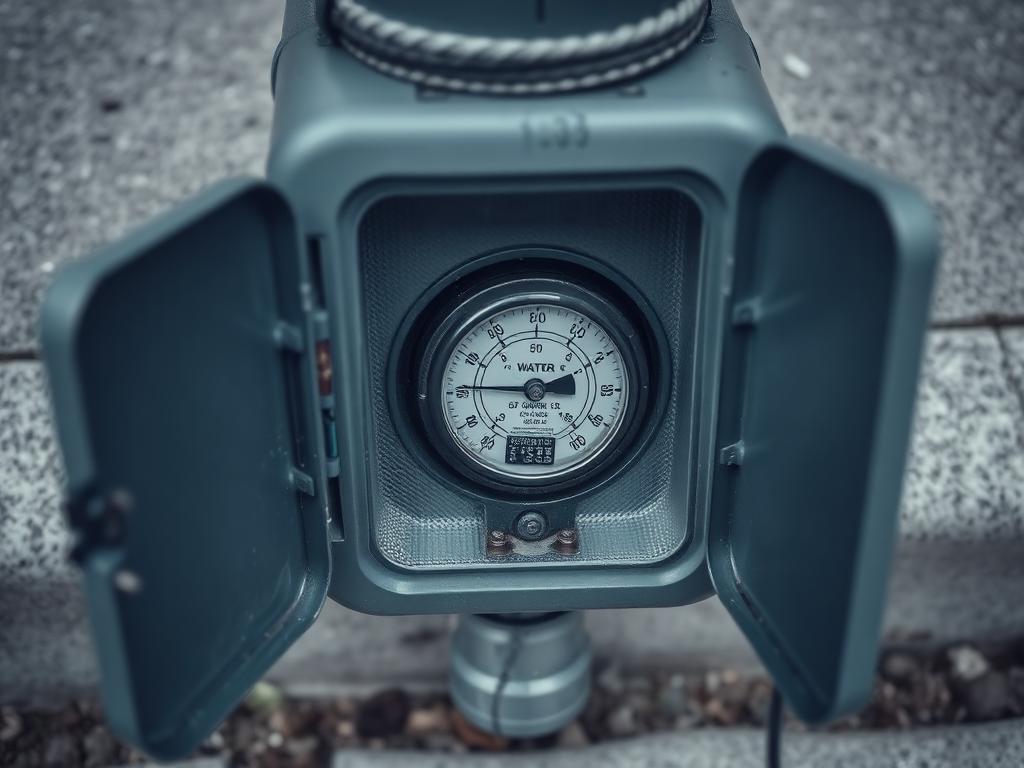 Concept visualEmergency plumbingWhat to shut off, in what order, and how to limit damage before help reaches the property.Read more →
Read the symptom
What the evidence usually points to
None of this replaces looking at the actual system, but it will make your description far more useful — to us or to anyone else you call.
Symptom → likely area to investigate
| What you notice | What it commonly points to |
|---|---|
| Damp patch that never dries | Pressurised supply line, since it does not depend on a fixture being used. |
| Wet only after a shower or sink runs | Drain, trap, or a waste connection rather than a supply line. |
| Meter creeping with everything off | Water leaving the system somewhere — irrigation, a toilet flapper, or a buried line. |
| One fixture with weak flow | Aerator, angle stop, or supply line at that fixture, not house pressure. |
| Every fixture weak | Supply side or a pressure-reducing valve rather than any single fixture. |
| Multiple drains slow at once | Main line or venting, not the individual traps. |
| Rumbling from the water heater | Sediment on the tank floor being heated through. |
| Warm spot on a slab floor | Possible hot-side slab leak; worth investigating rather than watching. |
Concept visualConcept visualBefore you call anyone
Five minutes that shorten every plumbing visit
Whether you end up calling us or someone else, arriving with these answers removes most of the guesswork from the first half hour.
Note when the water appears
Constant, or only when a specific fixture runs? This single answer separates supply from drain.
Read the meter twice
With every fixture off, note the reading, wait fifteen minutes, and read again. Movement means water is leaving somewhere.
Locate your shutoffs
The main valve, plus the small stops under sinks and behind toilets. Confirm they turn without forcing them.
Photograph the area first
Pictures of the wet area, the fixture, and the space under or behind it are worth several paragraphs of description.
Write down what changed
New appliance, recent work, a storm, a long vacancy — timing often points straight at the cause.
Dr. Handy Plumbing Assistant
Answers questions and schedules appointments
How the assistant works
Work examples
Before and after
Photo slots are reserved for the owner's own job photography. Nothing here is stock imagery or another company's work.
Illustrative pairs showing the kinds of conditions and outcomes described on this site. Each image is a concept visual, not a photograph of a specific customer’s property.
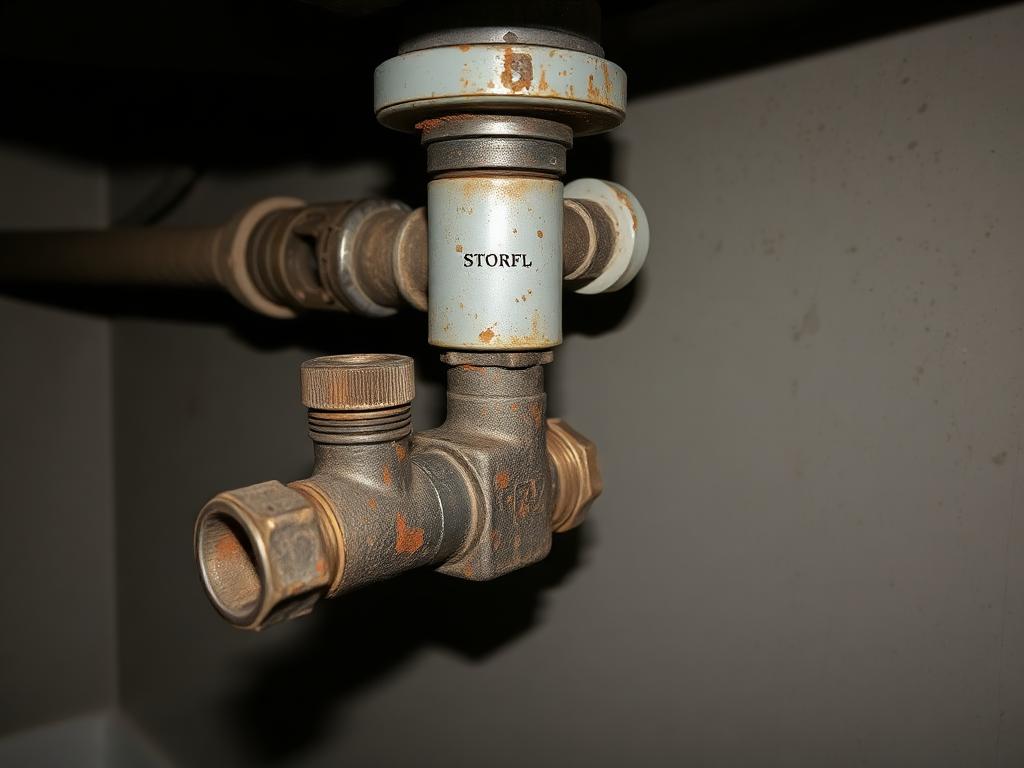 BeforeConcept visual
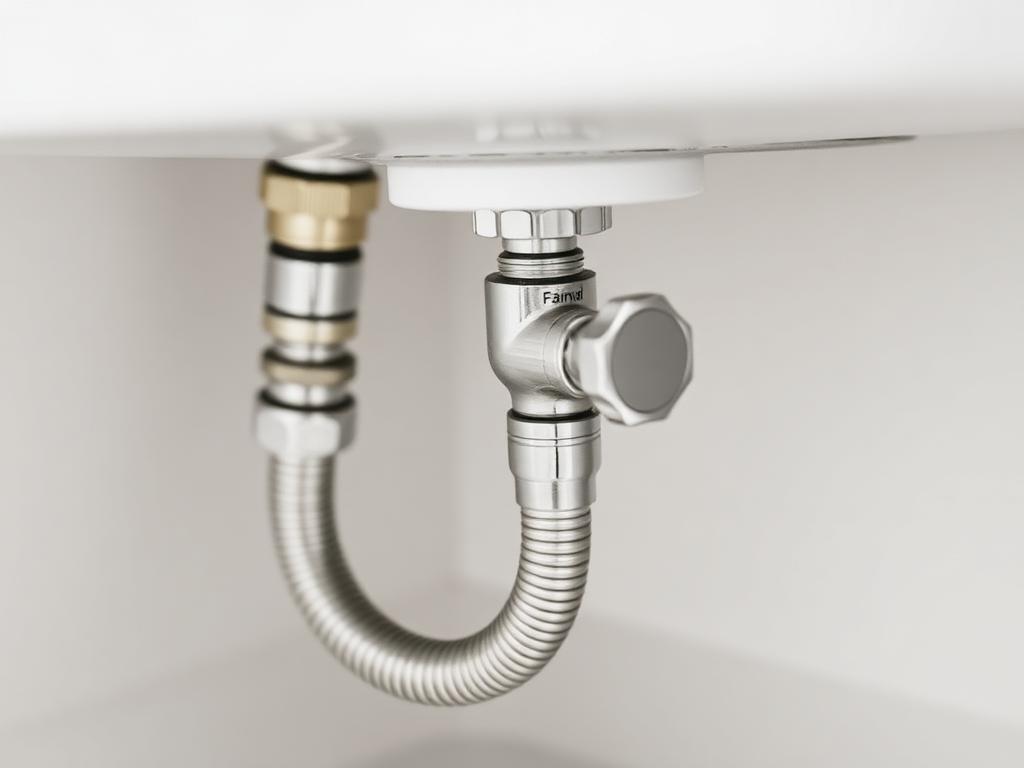 AfterConcept visual
Corroded multi-turn stop and aged connector replaced with a quarter-turn valve and braided line.
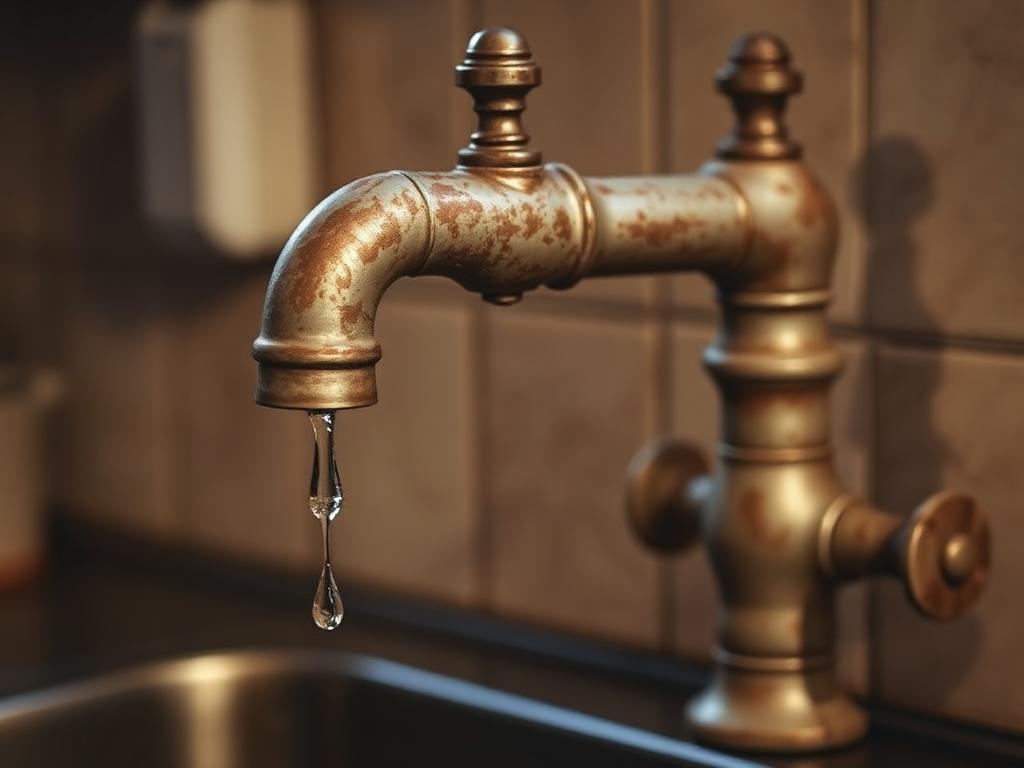 BeforeConcept visual
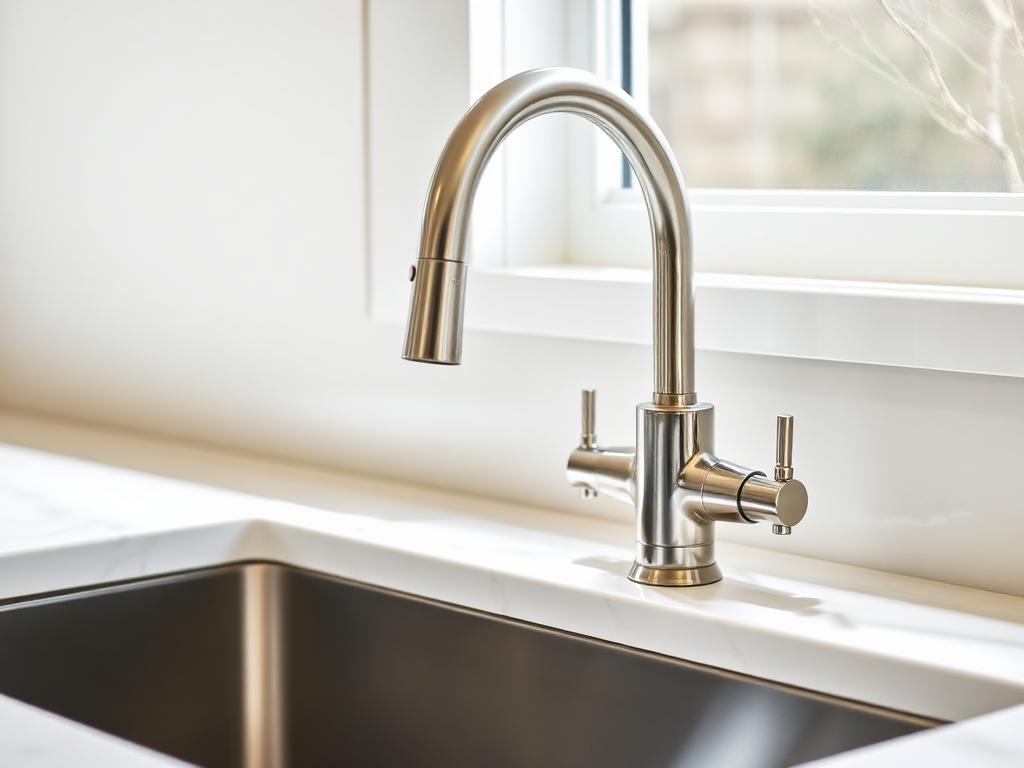 AfterConcept visual
Scale-bound spout and dripping cartridge replaced; aerator flow restored at the fixture.
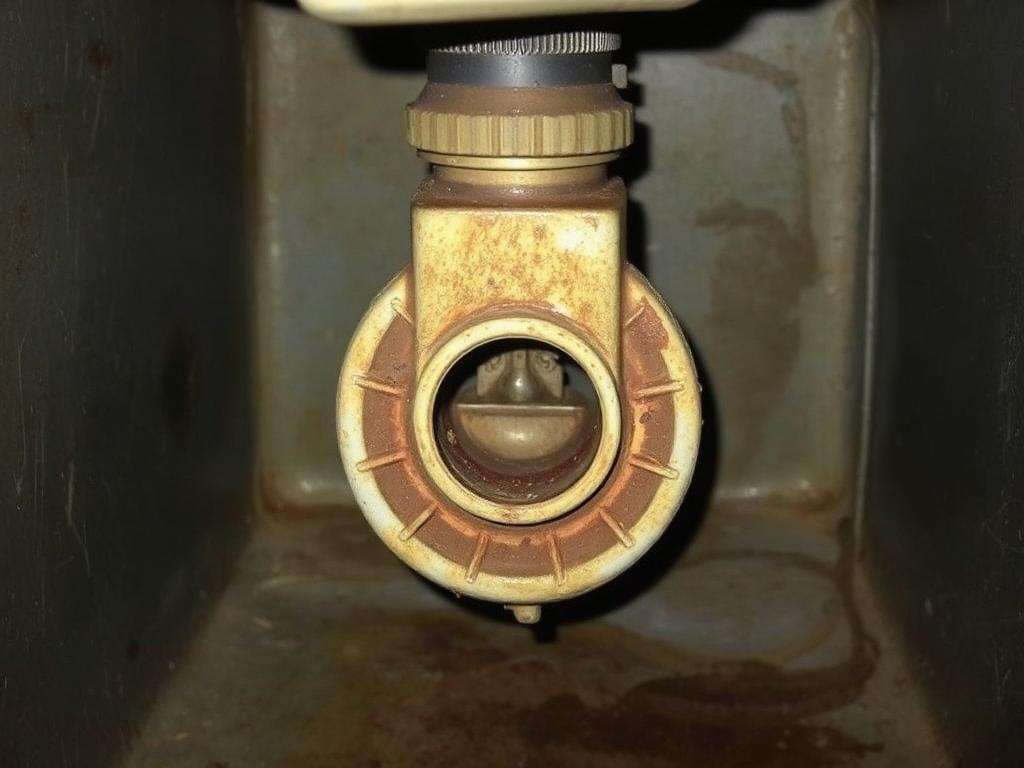 BeforeConcept visual
 AfterConcept visual
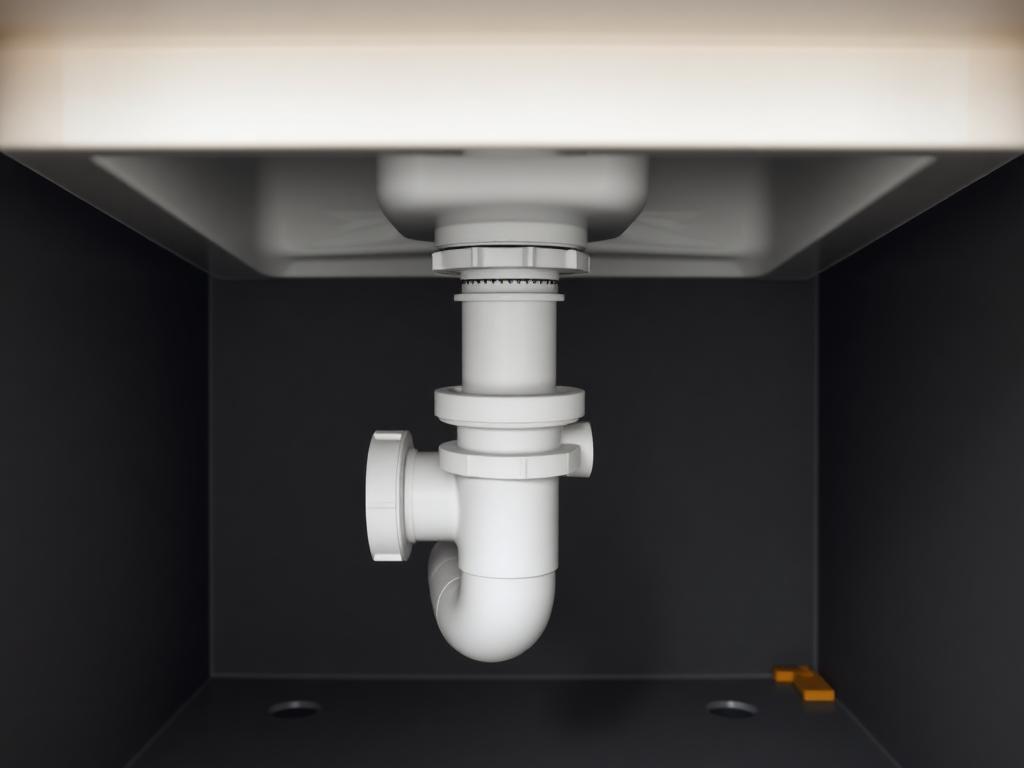
Fouled trap assembly opened and rebuilt so the drain path and slip joints seal cleanly.
 BeforeConcept visual
 AfterConcept visual
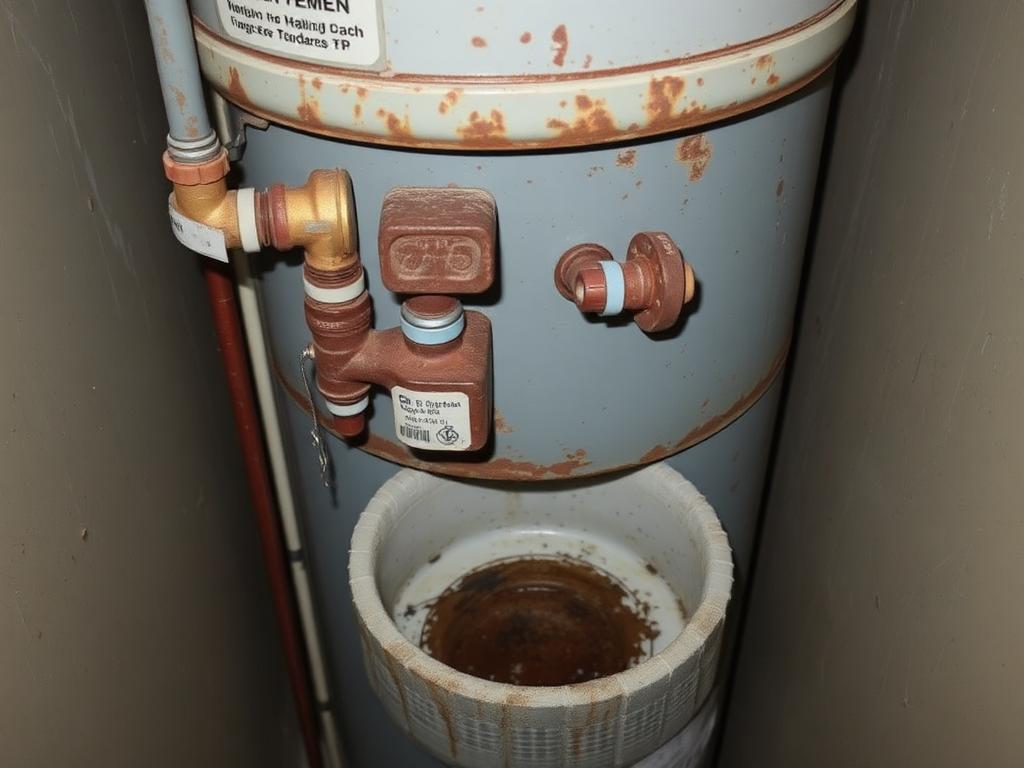
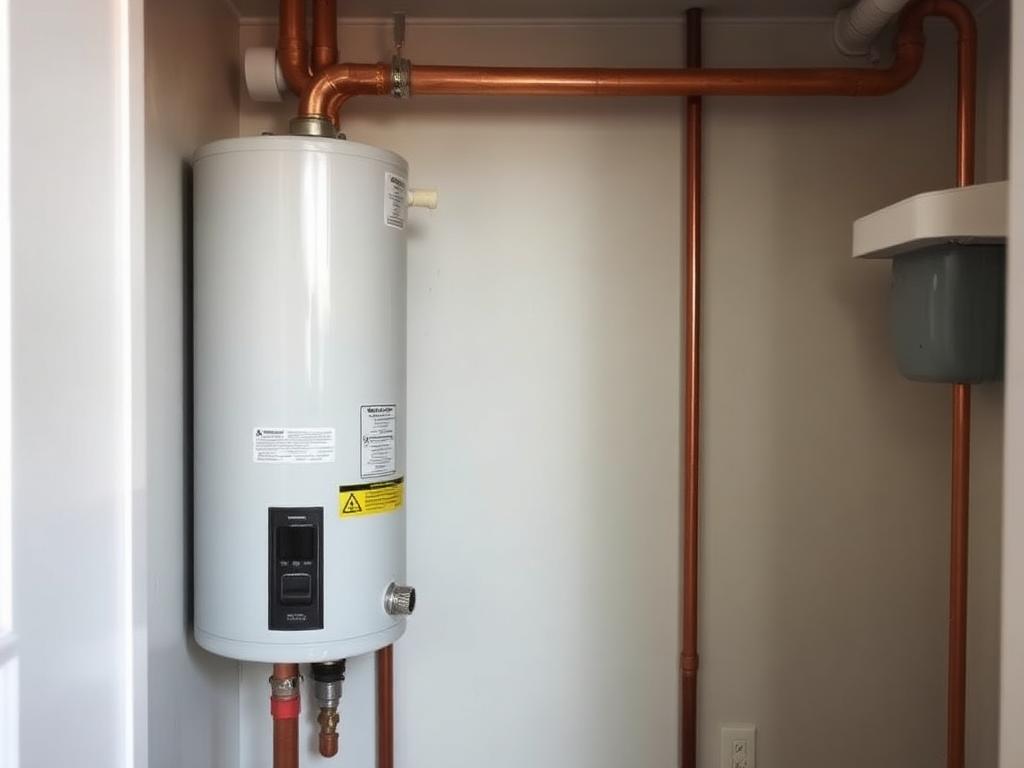
Rusting fittings and a stained pan replaced with clean connections and a dry pan.
 BeforeConcept visual
 AfterConcept visual
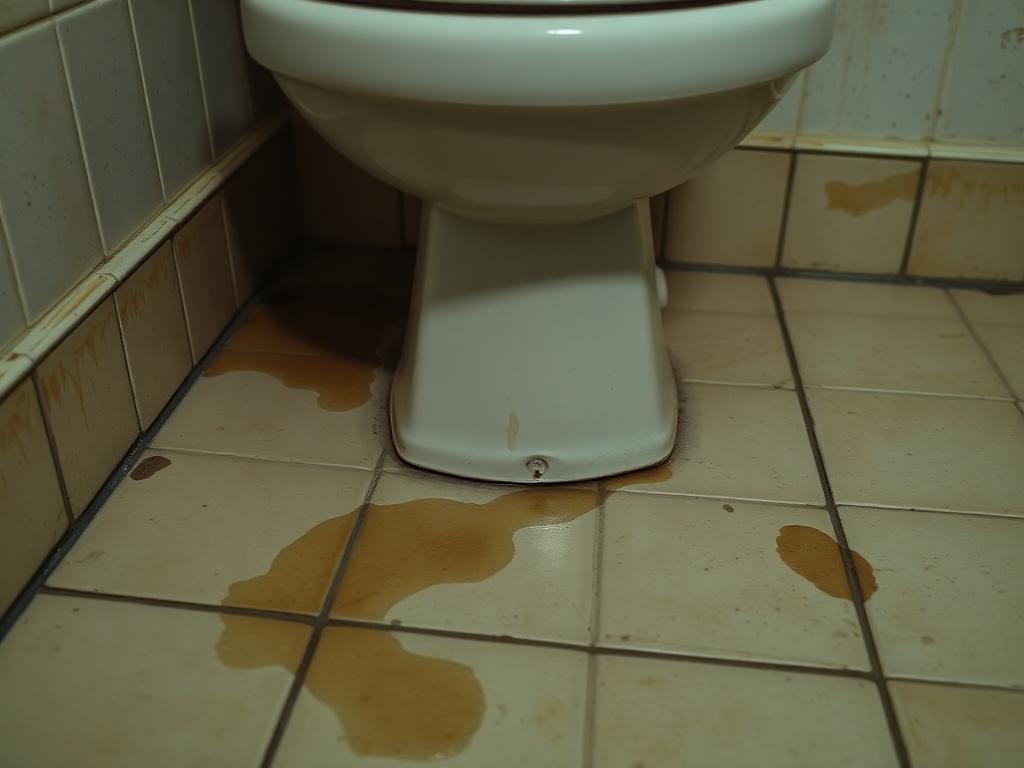
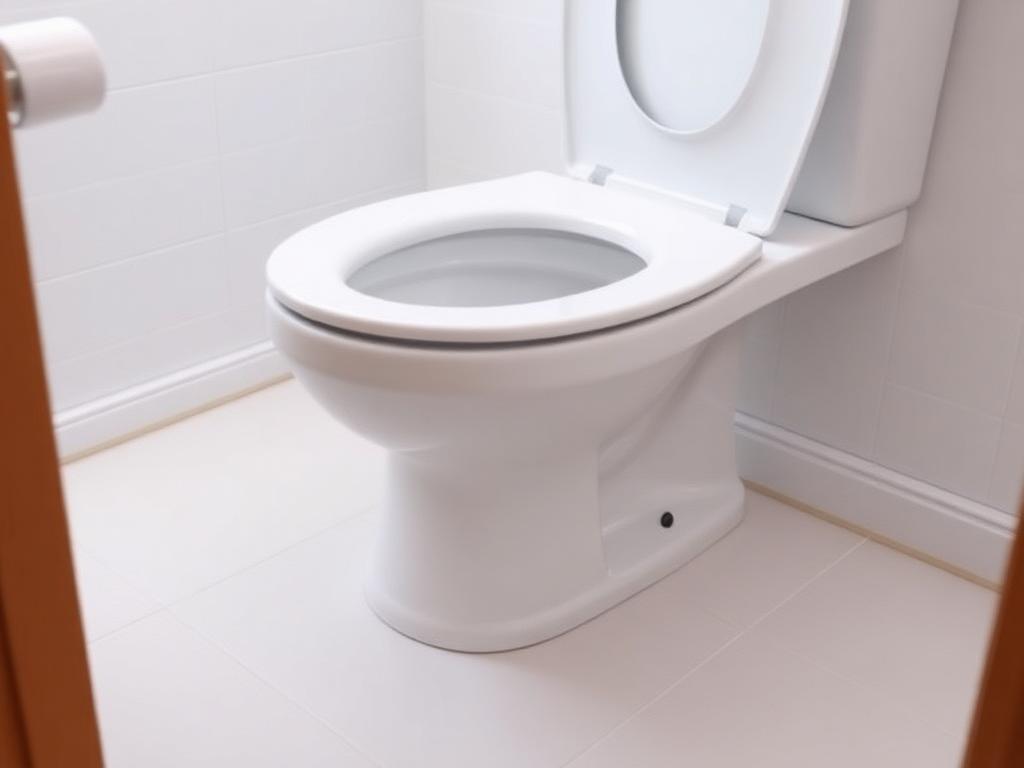
Seepage at the base addressed, bowl reset level, and the floor joint finished cleanly.
Common questions
Plumbing questions we hear most
How do I tell a supply leak from a drain leak?
A supply line is pressurised all the time, so a supply leak keeps going whether or not anyone is using water — and it often shows up as a constantly damp area or a meter that never fully stops. A drain leak only appears while a fixture is draining, so the wet patch comes and goes with use. Noting when the water appears is the single most useful observation you can make before anyone arrives.
Where is my main water shutoff likely to be?
In most Miami-Dade single-family homes it is at or near the meter box by the street or sidewalk, and sometimes there is a second valve where the line enters the house. In condos and townhomes there is often an in-unit valve serving your unit alone, frequently in a laundry closet or a wall access panel. Finding it and confirming it actually turns is worth doing before you need it.
Are chemical drain cleaners a reasonable first step?
Occasionally for a slow lavatory drain, but they are a poor habit. They can sit in a trap without reaching the blockage, they are hard on older piping and on some seals, and residual chemical makes later mechanical clearing more hazardous for whoever opens the line. Removing and cleaning a P-trap is usually more effective and far less risky.
Why does South Florida water leave white crust on fixtures?
Hard water leaves mineral deposits as it evaporates. It is mostly cosmetic on a spout, but the same deposits build up inside aerators, shower heads, angle stops, and on water heater elements — which is why low flow at one fixture is so often an aerator rather than a pressure problem.
Does this site book appointments?
Yes. The assistant can collect your details, show real open times from the scheduling calendar, and — after you confirm — put the appointment on it. It never reports an appointment unless the calendar confirms it. You can also call (954) 708-6930.
Working out what your plumbing problem actually is?
Note what you can observe — where the water shows up, when it started, and what you already tried, then call. The assistant can also check open times and schedule a visit once you confirm the details.